Showing posts with label Music News. Show all posts

Saturday, June 28, 2008

RIAA Ordered To Pay Up

Another victory for the underdogs.

Remember the RIAA's lawsuit against Tanya Andersen? Here's a quick review: The Recording Industry Association of America slapped a file-sharing lawsuit against Andersen, a 41 year old disabled single mother living in Oregon, supposedly for downloading songs on her PC using Kazaa.

After a while, Tonya then hit back, countersuing the RIAA for Oregon RICO violations, fraud, invasion of privacy, abuse of process, electronic trespass, violation of the Computer Fraud and Abuse Act, negligent misrepresentation, the tort of "outrage", and deceptive business practices.

Here's where we are right now.

U.S. District Judge James A. Redden of Oregon has just awarded Anderson $108,000 in legal fees to compensate for defending herself against the the RIAA. Judge Redden ruled that the RIAA's arguments against legal fees were "misplaced."

Earlier in August, a federal judge already ordered the RIAA to pay $68,685 in litigation costs to two Oklahoma women whose cases were dismissed.

That'll show the RIAA for suing everyone they declare a file-sharer, even without any hard evidence.

According to the Attack of The Show Blog:
The RIAA dropped the case against Andersen last year after concluding “her hard drive didn't contain purloined music tracks. The RIAA initially claimed a Kazaa shared directory that linked to her internet-protocol address was unlawfully distributing thousands of songs.”

In response to the lawsuit against her, Andersen has countersued the RIAA in a case seeking class-action status to represent the thousands of persons she believes have been wrongly sued by the RIAA. That case has been dismissed three times, and its fourth try is pending.

Can't wait to see what happens next.

Sources:
G4TV's Attack of The Show Blog: RIAA Must Pay P2P Legal Fees
Wired.com: Judge Orders Legal Fees in RIAA v Andersen


Saturday, June 21, 2008

So Did Coldplay Really Steal From The Creaky Boards and Joe Satriani?

You've probably heard the news by now- that Coldplay's massive iTunes hit, "Viva La Vida" might have been ripped off from the work of some more obscure band.

They're called The Creaky Boards, and this Brooklyn-based rock band have put up a video on YouTube- a side-by-side comparison of their song- which was written more than a year before "Viva La Vida" came out- with Coldplay's hit single. The irony of it? The title of the Creaky Boards song is... "The Songs I Didn't Write."

Anyway, you be the judge, check out the video comparison for yourself:


Okay, so maybe it's hard to tell for sure, but here comes another claim that the same song- "Viva La Vida" might have come from another piece of work- this time from Joe Satriani's "If I Could Fly". Listen closely and take a look at this video:


Now even the tempo seems to match. But can we really be so sure?

According to the news story from AoL music,
The YouTube "my tiny band's song and your big song side-by-side" defense has been a recurring event lately. Avril Lavigne was the first major act to get the treatment on YouTube, as her hit 'Girlfriend' was supposedly stolen from The Rubinoos' 'I Wanna Be Your Boyfriend.' Since Lavigne, Miley Cyrus and Jessica Simpson both faced the same critiques.
So what do you think?

Cheers, everyone!

Chicks In Music: Carrie Underwood

In a recent news bit on AoL Music, American Idol Carrie Underwood tells Cosmopolitan: "I don't consider myself sexy ... I'm kind of a nervous person in general. I'm socially awkward. I'm not tall and sensuous. I usually wear sweats everywhere I go. Oh, and I burp a lot,"

Now ain't that cute? All the more reason for us to give props to Miss Underwood, and even more reason to include her here, on this blog's tribute to the finest ladies in the industry- Chicks In Music!

Stuff you probably listened to from Carrie Underwood: "Jesus Take the Wheel", from her debut album Some Hearts, and straight out of her American Idol victory. From that same album you also had "Wasted", and probably her biggest hit yet, "Before He Cheats".

She also had that charity single, "I'll Stand By You" and her version of the Christmas classic "Do You Hear What I Hear?".

Her second album, Carnival Ride, was released late last year, and has thus far, spawned three hits- "So Small", "All-American Girl" and "Last Name"- that song she performed on the American Idol Season 7 finale.

So it's only been three years since Carrie bagged the American Idol, and you can see that she's a bon afide superstar- with three Grammys to her credit, millions of albums sold, and a solid career as a singer/songwriter.

Most of her fans love her because she's so innocent and wholesome- but as you can see on her performance on the results show of the American Idol Season 7 finale, she's definitely all woman- slinky, sassy, and a truly a joy to watch. Video courtesy of louisejenny84 on YouTube. Enjoy!


What I'm Listening To From Carrie Underwood Now

Definitely "Last Name"- it's been in my player since I saw her perform the song on American Idol. "Before He Cheats" seems to be a staple at many karaoke joints- and is apparently a great song with women on alcohol :)

Check out Carrie Underwood on her Wikipedia entry, or visit her official website here.

Cheers, everyone.

Chicks In Music is a regular feature on My Thoughts In Stereo. We pay tribute to the hottest ladies in the music industry- with updates, trivia, video clips and links to their websites and social media. Checking out your favorite females in rock, pop and R&B online has never been so gratifying- Chicks in Music!

Friday, May 9, 2008

So Much for Web Radio?

ASCAP scores another legal victory. The American Society of Composers, Artists and Performers, or ASCAP now stands to collect some US$100 million from Webcasters like Yahoo, AoL and Real Networks for streaming their music online.

ASCAP- the largest union of musicians and composers in the USA- has been hounding the online groups for paying them for the music streaming. The courts have now to award them said payment from 2002 to today.

Last year, webcasters were already ordered by courts to cough up cash to pay recording companies, so this development is really just bad news for anyone running an internet radio station.

Well at least those playing commercial music. I say it's time we check out the thousands of other great independent artists out there, and look into the more interesting podcasts.

What do you think?

Tuesday, February 26, 2008

Can EMI's New CEO Change the Game?

I recently read an article on Rolling Stone about EMI's new CEO, Guy Hands, and his bold new plans to breathe new life into the music company he bought last May for US$4.7 billion.

We all know that the recording industry is desperately fighting for life, especially for the past 7 or 8 years, and EMI- the smallest of the four major labels (the other three being Sony-BMG, Warner Music and Universal-MCA) was a complete mess.

But how bad was bad? EMI had already lost US$500 million in a year, it's market share dipped to under ten percent, and two of its biggest artists- Coldplay and Paul McCartney- have jumped ship.

Last January 15, Hands had announced a total overhaul of EMI, hoping not just to stop hemorrhaging vast amounts of money, but to make it profitable once again- and everyone's eyes are on them now, including the other record labels.

The Action Plan.

The first logical move is to lower overhead. Which means cutting costs. And Hands had a lot of shaking to do.

1. No more expensive gifts to artists and multimillion-dollar severance packages for EMI execs.
2. Centralize whatever functions you can- in this case- marketing, promotion and distribution.
3. Lop off redundant departments, trim down everything else to manageable proportions. Not too long ago, we've seen some 2,000 EMI employees lose their jobs. A necessary evil if you want to stay afloat.

With that messy bit of business done, the next move is to defray costs somehow. His move: use more corporate sponsors. And now you have Nordstrom, Victoria's Secret and the New York Daily News co-branding efforts with The Spice Girls and Joss Stone and others.

The Future of the Recording Industry?

All the recording companies have already laid employees off, cut back on budgets and signed fewer artists. So what's going to be new this time around?

Whatever it is, it has to happen fast. Since 2000, sales for the recording industry has been down thirty-six percent. The business model simply isn't working anymore, and everyone is watching EMI to see if Hands has the answer.

I say more power to Guy Hands. Anyone who's shaking up the system this much, all in the interest of adapting to these changing times is definitely deserving of support. And just like everyone in the industry- I'd like to see what else he has in store for EMI.

Cheers, everyone!

Sunday, January 20, 2008

2007 is Year Zero - MTV

2007 was a bad year for the music industry. You don't need a complex report to paint a picture for you. Can you remember the last time you went into a record bar and actually bought CDs? I can't help but notice whenever I pass by an O Music Video store or an Astrovision- and I'm sure you've noticed too.

In a trend that's been going on for eight years now, album sales were down 15 percent from 2006, according to Nielsen SoundScan. On the recording industry front, there's been a lot of drama, a lot of lawsuits and disastrous moves- artists jump ship, execs try to clamp down, everything just looks so ugly.

MTV.com had even gone as far as calling 2007 "Year Zero"- as things in the music and recording industry started to change because they couldn't possibly get any worse.

But just how bad is bad, exactly? Here's a recap from MTV.com on just how horrendous it was for the music industry in 2007:
January 14: The "Dreamgirls" soundtrack tops the Billboard albums chart with sales of just over 60,000 copies. It's the lowest sales total for a #1 album in SoundScan's 16-year run, beating the record set the previous week, when the soundtrack landed at #1 with sales of 66,000 copies.

January 30:
Sony BMG announces that it has reached a proposed settlement with the Federal Trade Commission that would allow consumers to trade in CDs with the controversial self-installing "rootkit" antipiracy software — which the company had included without consumers' knowledge — "through June 31," according to a press release (of course, in keeping with the less-than-forthright spirit of the whole rootkit issue, there are only 30 days in June). The company also agrees to pay up to $150 to repair any damage to computers caused by users trying to remove the digital-rights-management software, which was revealed to cause serious security risks. The settlement also calls for Sony BMG to disclose any limitations on consumers' use of the music CDs, and prohibits the company from collecting user information for marketing purposes and from installing software without users' consent. Sony is also required to provide a way for users to easily uninstall the rootkit software.

March 5:
In a blow to small Internet radio, the Copyright Royalty Board — made up of three copyright-royalty judges appointed by the librarian of Congress — significantly increases the royalties paid to musicians and record labels for streaming digital songs online, ending a discounted fee for small Internet broadcasters. Under the ruling, the current rate of $0.08 each time a song is played will more than double by 2010. In April, a coalition of webcasters, including National Public Radio, attempts to request a new hearing, but the Royalty Board rejects the appeal, and on July 15, the royalty hike goes into effect. In November, both AOL and Yahoo contemplate shuttering their Web radio services due to the increased royalties.

March 21: Paul McCartney leaves longtime label EMI to sign with Starbucks' new record label, Hear Music. His album, Memory Almost Full, is released in June through both traditional retailers and more than 6,000 Starbucks locations in the U.S., and sells more than 160,000 copies in its first week. "For me, the great thing is the commitment and the passion and the love of music," McCartney tells an audience of Starbucks shareholders. "It's a new world now and people are thinking of new ways to reach the people, and for me that's always been my aim."

June 11: In a move that would have seemed unimaginable in the label-driven industry of old, Kelly Clarkson feuds openly with the head of her label — Sony BMG head Clive Davis, for decades one of the most powerful industry executives — and parts ways with her management company, the Firm, amid controversy about her upcoming album My December. Three days later, concert promoter Live Nation announces that Clarkson's summer tour in support of the album has been canceled due to underwhelming ticket sales. My December hits stores later in the month, and sells more than 290,000 copies in its first week, giving Clarkson the #2 album in the country — behind the "Hannah Montana" soundtrack — but shows little staying power. Clarkson later apologizes for her remarks.

July 10:
Canadian indie outfit Stars make their new album, In Our Bedroom After the War, available for download just 10 days after completing it — and some three months before its scheduled release date. The move is done with the blessing of their label, Arts& Crafts, and the album becomes a mainstay on the iTunes Music Store's most-downloaded list.

July 15: Prince ticks off his U.K. record label and Britain's Entertainment Retailers Association when he decides to release his new album, Planet Earth, for free with the Sunday edition of the British newspaper The Mail. It's estimated that 2.27 million people receive the album, which helps boost sales of tickets for his 21-night stand at London's O2 arena. "It's direct marketing, and I don't have to be in the speculation business of the record industry, which is going through a lot of tumultuous times right now," Prince says.

September 19:
Kanye West's Graduation sells nearly 957,000 copies to claim the top spot on the Billboard albums chart. 50 Cent's Curtis bows at #2 with sales of more than 691,000. Both are the best first-week numbers of 2007 (besting Linkin Park's Minutes to Midnight, which scanned 623,000 copies in May), and Graduation notches the biggest first week in nearly two years — beating, interestingly, West's Late Registration, which sold more than 860,000 copies when it was released in September 2005.

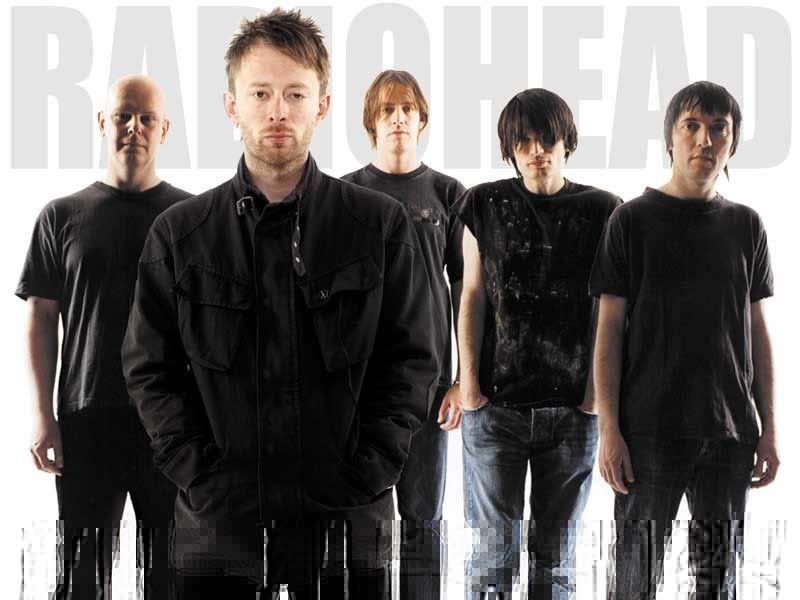
October 1: Radiohead shock fans by announcing on their blog that not only have they completed their much-anticipated new album, In Rainbows, but that "it's coming out in 10 days," via download — leading to reams of "this is a taste of the future of albums"-type commentary. The bandmembers, who have been free agents since the release of 2003's Hail to the Thief, decide to release the album by themselves in two formats: download-only, which allows fans to name their price for the album, and as a deluxe "discbox" version (priced at approximately $80).

October 4:
The Recording Industry Association of America wins its first case against file-sharing, when a jury finds 30-year-old Brainerd, Minnesota, resident Jammie Thomas guilty of copyright infringement. In question were 24 music files she allegedly posted on the peer-to-peer site Kazaa. Thomas is ordered to pay $220,000 in fines — or $9,250 per song file. Her lawyers appeal the ruling, on the grounds that it is "unconstitutionally severe," but in December, the U.S. Department of Justice intervenes, urging the courts not to rule on the constitutionality of the damages, as "Copyrights are of great value, not just to their owners, but to the American public as well."

October 8: Trent Reznor announces the end of his 13-year relationship with Interscope Records, writing on his site, "As of right now, Nine Inch Nails is a totally free agent, free of any recording contact with any label. ... It gives me great pleasure to be able to finally have a direct relationship with the audience as I see fit." He then goes on to write that there are "exciting times" ahead. And he's not kidding: Within a week, he promises (threatens?) to scuttle Interscope's release of a Year Zero remix album by leaking tracks from it to the Internet, then announces that he's partnering with Saul Williams to release The Inevitable Rise and Liberation of Niggy Tardust! via download, and gets into a public argument with the Universal Music Group over the legality of a proposed fan-only remix site, before deciding to launch the site himself.

October 9:
One day before downloads of In Rainbows are scheduled to begin, Radiohead send an e-mail to those who've ordered it, stating that the album will be encoded at 160 kilobits per second, a rate far inferior to their other LPs, which are all available for download at 320 kbps (or most MP3s floating around file-sharing sites like OiNK, for that matter). This angers many fans, who feel that the band duped them by not announcing the encoding rate upfront, and the bad feelings are only furthered when Radiohead's managers give an interview to a British trade mag, in which they suggest the download version of In Rainbows is a promotional tool for the actual CD.

October 10:
In Rainbows is made available for download. Over the next two months, much speculation ensues as to just how many people downloaded it and exactly how much they paid to do so: Early reports have more than 1.2 million fans downloading it at an average price of $8, though later findings by comScore, a company that measures consumer activity online, adds that more than 60 percent of downloaders paid nothing for the album. Neither Radiohead nor their publicists discuss the financial aspects of the download experiment, though the band does issue a statement dismissing comScore's findings as "wholly inaccurate."

October 16: Madonna finalizes a massive 10-year deal with Live Nation, believed to be worth $120 million. It's the largest so-called "360 deal" in history, involving not only Madge's future studio albums but her tours, merchandising, film and TV projects, DVD releases and music-licensing agreements. "For the first time in my career, the way that my music can reach my fans is unlimited," Madonna says in a statement. "The possibilities are endless. Who knows how my albums will be distributed in the future?" The deal brings to an end the singer's 25-year relationship with Warner Music Group, which has released all of her albums to date.

October 23:
OiNK, "the world's biggest source for pirated, pre-release albums," is shut down after a two-year criminal investigation led by Interpol (the international police organization headquartered in Lyon, France ... not the band). Officers raid the apartment of OiNK's creator, a 24-year-old Brit named Alan Ellis, and seize the site's servers in Amsterdam. Ellis is arrested on suspicion of conspiracy to defraud and copyright infringement, and the e-mail addresses of the site's more than 180,000 users are made available to police — though it is not known whether they could face criminal prosecution as well. Ellis' trial is scheduled to begin in February.

November 7:
Thanks to a last-minute rule change by the folks at SoundScan, the Eagles' Wal-Mart-only LP, Long Road Out of Eden, debuts at #1 on the Billboard albums chart with sales of more than 711,000 copies. The total nearly triples that of the country's #2 album, Britney Spears' Blackout, and gives the group — which hadn't released an album of new studio material in 28 years — the second-highest debut of 2007.

November 27:
Universal Music Group CEO Doug Morris gives a disastrous interview to Wired magazine, in which he compares the music industry to a character from the comic strip "Lil' Abner," calls college students who download music "criminals" and explains the industry's inability to keep up with the Internet by saying, "There's no one in the record company that's a technologist. ... It's like if you were suddenly asked to operate on your dog to remove his kidney. What would you do?"

November 28: Reigning "American Idol" champ Jordin Sparks' self-titled debut lands at #10 on the Billboard chart with sales of 119,000 copies. It's the lowest first-week sales total for any "Idol" winner — by more than 180,000 copies.

December 3:
Island Def Jam lays off nearly 6 percent of its staff. Rumors of axings at major labels like Sony BMG and the Universal Music Group begin to swirl — and at press time, it looked like they may have begun. The Warner Music Group announces that it has cut bonuses for employees, and Terra Firma, the private equity group that owns EMI (home to Capitol Records), reportedly makes "cutbacks a core part of its strategy." There are also reports of massive reshuffling at labels like Epic, RCA and Arista.

December 31:
In Rainbows is set to be released to retailers in the U.K. through XL Recordings. The U.S. release will come one day later, through TBD Records, an offshoot of the Dave Matthews-founded ATO Records.